
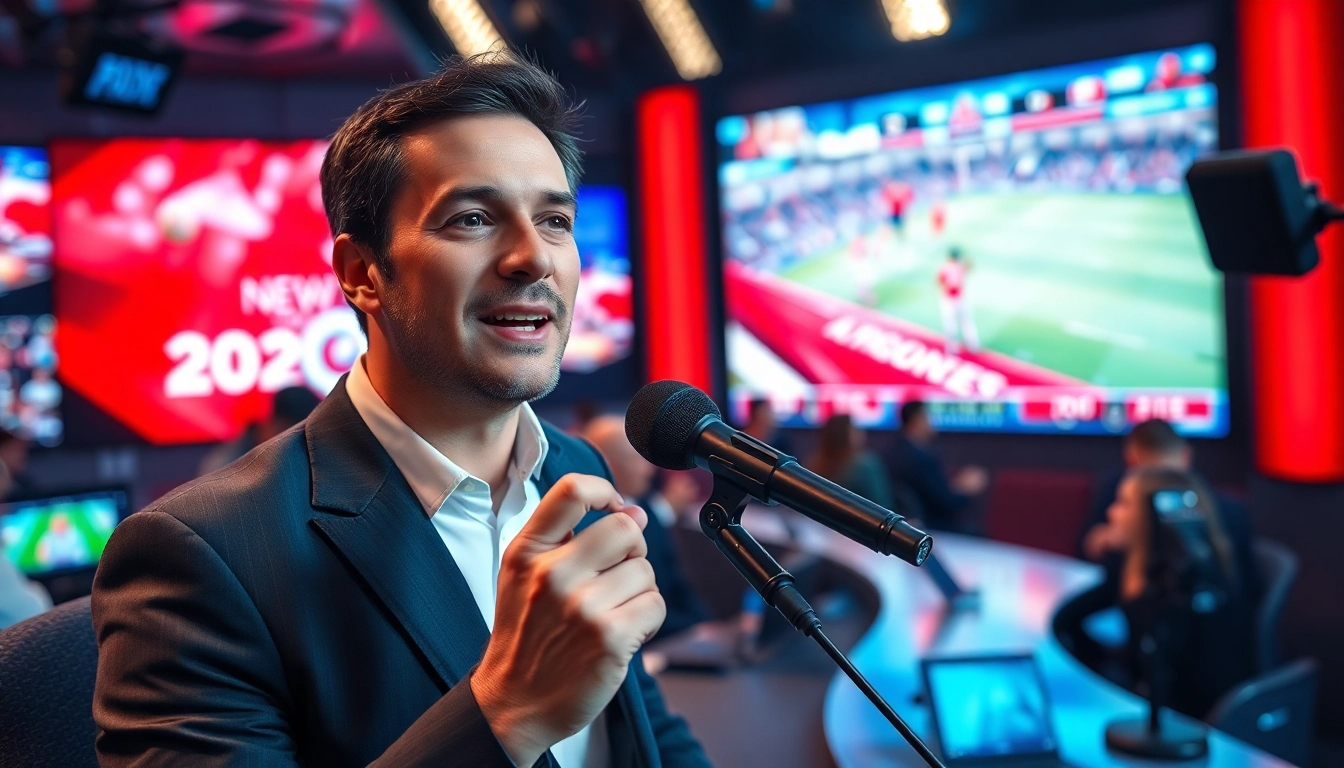
Understanding the Landscape of Sports Broadcasting
Sports broadcasting is an intricate blend of technology, storytelling, and audience engagement that traverses traditional and digital mediums. As the demand for engaging sports content rises, understanding the mechanisms behind Sports Broadcasting has become crucial for current and aspiring professionals in the field.
The Evolution of Sports Broadcasting
The history of sports broadcasting dates back to the early 20th century, where radio served as the primary medium for delivering live sports action to eager fans. The advent of television changed the game, bringing visual storytelling into homes, where viewers could experience the excitement of live events.
With innovations in technology, the landscape has continuously evolved. The rise of cable networks expanded reach, while satellite broadcasting brought live events to previously unreachable audiences. Today, internet streaming platforms have revolutionized access to sports content, allowing for on-demand viewing and interactive experiences.
Furthermore, advancements in broadcasting technology, such as high-definition (HD), 4K, and virtual reality (VR), have pushed the boundaries of viewer immersion, reinforcing the connection between fans and their favorite sports.
Key Players in the Industry
The sports broadcasting industry is populated by various key players including national and regional networks, sports teams, technology providers, and internet platforms. Major television networks remain significant players, often negotiating exclusive broadcasting rights to popular sports leagues, while streaming services have emerged as formidable competitors, offering personalized viewing experiences.
Sports leagues and teams have also begun to launch their channels and platforms, providing fans with year-round access to exclusive content. This competition among networks, streams, and leagues has heightened the demand for quality and engaging sports broadcasting.
Current Trends Shaping Sports Broadcasting
One of the prominent trends in sports broadcasting is the integration of data analytics, which enhances storytelling through stats and player performance metrics. Augmented reality (AR) and virtual reality (VR) technologies are also gaining traction, offering viewers new and immersive ways to experience games.
Another notable trend is the rise of esports broadcasting. With competitive gaming establishing itself as a legitimate sporting category, the audience’s appetite for live gaming coverage has surged. This new frontier presents a unique challenge and opportunity for traditional sports broadcasters to adapt their strategies and content delivery methods.
Essential Skills for Sports Broadcasting Professionals
Communication Techniques for Engaging Audiences
Effective communication is at the core of sports broadcasting. Professionals must master the art of storytelling to engage viewers, establish emotional connections, and convey excitement during live events. The ability to articulate complex aspects of a game while simplifying them for wider audience consumption is vital.
Additionally, skilled broadcasters excel in their vocal modulation, pacing, and diction. Utilizing various communication platforms—whether through social media or traditional broadcasting—enables professionals to reach audiences across different demographics, enriching viewer engagement.
Technical Skills for Quality Broadcasting
In an industry increasingly reliant on technology, technical know-how is crucial. Broadcast professionals should be adept at operating video and audio equipment, understanding production techniques, and engaging with live broadcasting software. Familiarity with graphics and editing tools also promotes the creation of visually appealing content.
Moreover, enhancement in skills related to data analysis is becoming a needed trait. Broadcasters who can leverage analytics to provide deeper insights and narrative context will stand out in this competitive landscape.
Networking and Relationship Building in Sports Media
Networking within the sports broadcasting sector is essential for knowledge sharing and potential collaboration. Building relationships with industry experts can lead to valuable mentorship and job opportunities. Engaging on social media, attending industry conferences, and participating in sports media forums are effective ways to connect with like-minded professionals.
Moreover, networking doesn’t just stop within the sports media community; maintaining relationships with athletes, teams, and other stakeholders opens additional avenues for exclusive content and collaboration.
Implementing Technology in Sports Broadcasting
Live Streaming Tools and Platforms
Live streaming has gained significant traction in the sports broadcasting arena, allowing for dynamic content delivery and real-time audience interaction. Broadcasters must familiarize themselves with various platforms that support seamless streaming, ensuring high-quality video and audio output.
Additionally, utilizing social media networks for simultaneous broadcasting can create buzz around events, engage more viewers, and foster community building around sports.
Production Equipment Essentials
Quality production begins with the right equipment. Key essentials include HD cameras, mixing boards, sound equipment, and reliable streaming technology. Knowledge of these tools aids in creating polished, professional broadcasts that meet audience expectations.
Moreover, mobile production units have become instrumental in covering remote events, providing flexibility, accessibility, and opportunities to diversify content offerings, thus reaching larger audiences.
Data Analytics to Enhance Viewing Experience
Leveraging data analytics in sports broadcasting enhances not just the content but the overall viewer experience. Broadcasters can use viewer insights to tailor content for specific demographics, creating personalized experiences that resonate with different audiences.
Real-time statistics, play analysis, and performance tracking can enrich broadcasts, keeping viewers informed and engaged throughout events. This use of data creates a new layer of engagement, transforming passive viewership into active participation.
Challenges in the Sports Broadcasting Industry
Navigating Regulatory and Ethical Issues
Sports broadcasting often encounters regulatory hurdles. Broadcasters must adhere to licensing agreements, content rights, and broadcast regulations that vary by region and platform. Ethical issues such as biased reporting and misrepresentation of events also present challenges that professionals must navigate professionally.
Adhering to industry standards and maintaining a commitment to integrity ensures trust with audiences and industry stakeholders alike.
Competition with Emerging Media Platforms
With the proliferation of platforms that provide alternative content delivery methods, traditional sports broadcasting faces growing competition. Emerging media—like streaming services and social platforms—enable layoffs of conventional viewership models.
To remain relevant, broadcasters must innovate and enhance their offerings, integrating social media and interactivity, thus appealing to a younger, tech-savvy audience.
Adapting to Changing Audience Preferences
As viewer preferences shift, sports broadcasters must stay agile. The trend toward on-demand and mobile content consumption necessitates an urgent reevaluation of broadcasting strategies. Understanding the nuances of how audiences consume content—whether through highlights, interactive apps, or full live coverage—is vital for fostering loyalty and engagement.
Through audience feedback and performance analysis, broadcasters can better align their offerings with viewer expectations.
Measuring Success in Sports Broadcasting
Key Performance Indicators for Broadcasters
Measuring success in sports broadcasting combines many factors including viewership numbers, subscription rates, and social media engagement metrics. Key Performance Indicators (KPIs) should reflect both qualitative and quantitative aspects of broadcast success.
Additionally, analyzing user retention and the demographic breakdown of viewers enhances understanding of engagement, informing strategic content adjustments where needed.
Audience Engagement Metrics and Analysis
Audience engagement is a crucial metric for sports broadcasters. Tools such as social media interactions, live viewership stats, and post-event feedback provide a rich dataset from which to assess viewer connection and fulfillment.
Implementing listener and viewership surveys post-broadcast can also yield invaluable insights into viewer preferences, allowing adjustments in forthcoming content based on comprehensive audience analysis.
Ad Revenue and Sponsorship Impact
Financial viability is key in the sports broadcasting industry. The impact of advertising revenue and sponsorships heavily influences the success of broadcasting initiatives. As viewership evolves, understanding which metrics can drive revenue becomes crucial, necessitating strategic planning around sponsorship opportunities and advertisement placements.
Evaluating the economic impact of sponsorship and ad campaigns through audience reach and engagement metrics can enhance future negotiations and partnerships.
FAQs about Sports Broadcasting
What is sports broadcasting?
Sports broadcasting involves the transmission of sports events and related commentary to audiences, typically via television, radio, or online streaming platforms.
What skills are required for a sports broadcaster?
Essential skills include communication, technical proficiency with broadcasting equipment, storytelling abilities, and an understanding of audience engagement strategies.
How has technology changed sports broadcasting?
Technology has enhanced sports broadcasting through live streaming, improved production quality, data analytics, VR/AR experiences, and greater interactivity for viewers.
What are the primary challenges in sports broadcasting?
Challenges include navigating regulatory issues, competing with emerging media platforms, and adapting to changing audience preferences towards content consumption.
How can broadcasters measure their success?
Success can be measured by analyzing viewership metrics, audience engagement rates, financial performance from ads and sponsorships, and feedback from viewers.